#410 Marvel Comics: Telling the Untold Story

FLASHBACK! If you’re into American comics at all, you undoubtedly know how Stan Lee, Jack Kirby, Steve Ditko and others changed the industry with their work in the 1960s, and set the template for kinds of stories Marvel still publishes today.

That’s just part of the story that Sean Howe researched for his 2012 book Marvel Comics: The Untold Story. Through interviews, research of media reports, and of course tons of comics reading, Howe uncovered the backgrounds of many comics stories and rumors that longtime readers may have wondered about. There’s plenty of intra-creator acrimony to be found in its pages, yet Howe found that the book helped some of those involved to move on from decades-old wounds.

This week Tim talks to Sean Howe about the research, the reaction, and what this book has to say to aspiring creators. (Originally published July 7, 2014.)

Brought to you by:

#850 “Fantastic Four: First Steps” (2025): Did it live up to the hype?

FF First Steps

We’ve been building up to it for months with our reviews of previous Fantastic Four movies. Now it’s here, the FF’s debut in the MCU, Fantastic Four: First Steps. How well did it scratch that FF itch? Kumar and Jordan once again join Tim to review the film, and discuss how it stacks up against the others (including the unreleased 1994 version).

One idea about what “Subzero Intel” might mean

Brought to you by:

#843 The Fantastic Four on Film: “Fant4stic” (2015) pt 1

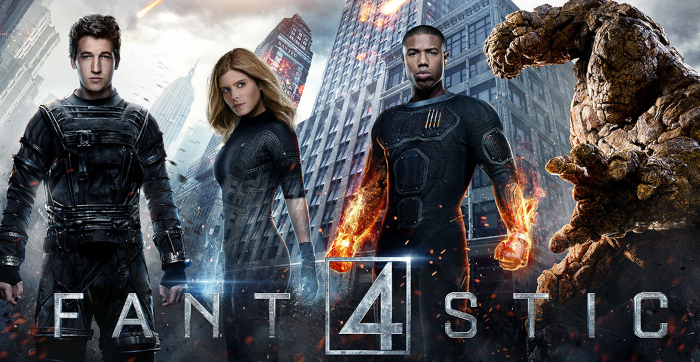
Fant4stic

Should a director re-interpret a property when nobody wanted it re-interpreted? 2015’s Fant4stic, directed by Josh Trank, turns getting superpowers into an exercise in body horror. Much of its inspiration comes from Bendis and Millar’s very straightfaced Ultimate Fantastic Four comics, Trank threw in a liberal helping of The Fly and Scanners. Tim, Kumar, and Jordan (in another crossover with the Comic Book Movie Oblivion podcast) look at the first appearance of the Negative Zone in Fantastic Four #51 by Lee and Kirby, and at Ultimate Fantastic Four v. 1, before beginning a look at the film itself.

Brought to you by:

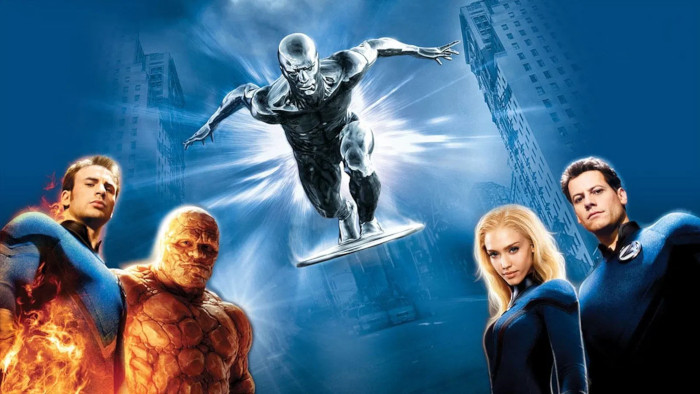
#839 The Fantastic Four on Film: “Rise of the Silver Surfer” (2007)

Rise of the Silver Surfer

This week we look at the movie that was based on the “Galactus Trilogy” of Fantastic Four #48-50, Fantastic Four: Rise of the Silver Surfer. How does it stand up against the comics, and against the 2005 film? How do we feel about Galactus being a cloud of smoke? Does Doom finally have a real plan in this one? Once again, Tim is joined by Kumar and Jordan of the Comic Book Movie Oblivion podcast to dig into this film, as we count down to the upcoming MCU debut of the FF.

Brought to you by:

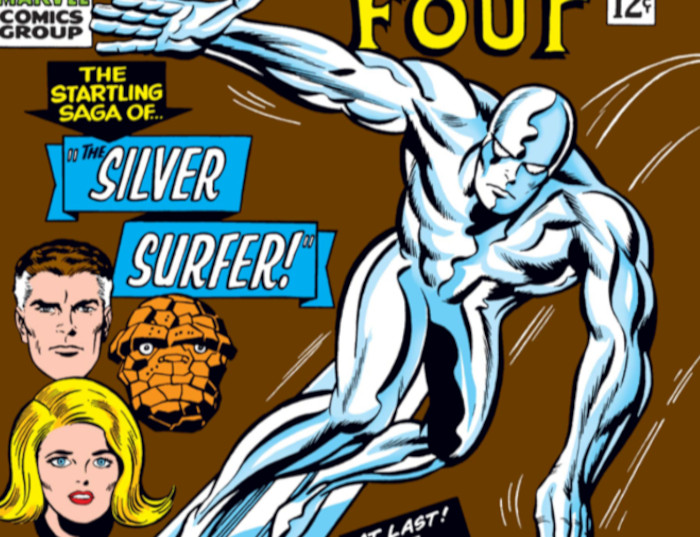
#838 The Fantastic Four on Film: The Galactus Trilogy

FF 50 cover

One of the most famous Fantastic Four stories is the “Galactus Trilogy” from Fantastic Four 48-50 in 1966. This story has been adopted more than once, including in the 1990s FF cartoon, and in 2007’s Fantastic Four: Rise of the Silver Surfer. Leading into our discussion of that movie next week, this week Tim, Kumar, and Jordan, in another crossover with the Comic Book Movie Oblivion podcast, look at the original comics story. While it’s been quite lauded, and very influential, why can it also be considered flawed?

Brought to you by:

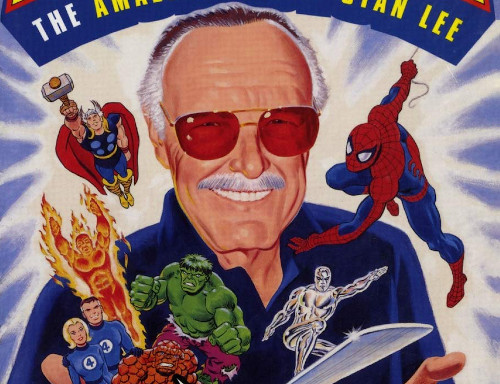
#704 “Excelsior! The Amazing Life of Stan Lee”

Excelsior!
Continuing with “How Much Stan Can You Stand?”, this time Tim and Emmet take on Stan Lee’s 2002 memoir (with George Mair), Excelsior! The Amazing Life of Stan Lee. How does it differ from his later memoir Amazing Fantastic Incredible?

Have you had all the Stan you can stand? Or should we review more books on The Man? Let us know in the comments!

Brought to you by:

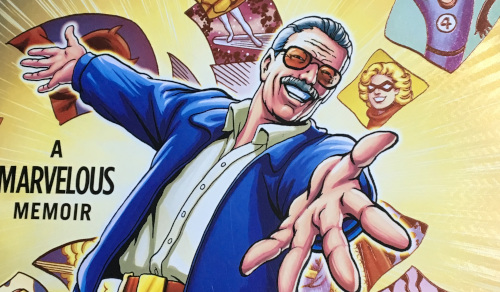
#700 Amazing, Fantastic, Incredible….Nostalgic

Amazing Fantastic Incredible

“How much Stan can you stand?” Tim and Emmet’s look at books on Stan Lee continues with The Man’s graphic novel-memoir Amazing Fantastic Incredible, by Stan Lee, Peter David, and Colleen Doran. Can we recommend it?

Listen to the MMMS record

1:18:40 Also, Tim looks back at a few of the many high points in the history of Deconstructing Comics, complete with old show clips!

#224 Our Notes on “Death Note”

#165 Mo Willems’ Dirty Little Secret

#173 Diamond and the U.S. Comics Market

#595 Mulele and other DCP connections at TCAF

#564 T-Rex and CXC

#299 Detroit Metal City vs. Metalocalypse Dethklok

Brought to you by:

#694 “True Believer”

True Believer

How much Stan can you stand? That’s the question Emmet and Tim are asking as we review an undetermined number of Stan Lee biographies! In episode 692, we covered Spurgeon and Raphael’s 2004 entry; this time, it’s the most recent tome, True Believer: The Rise and Fall of Stan Lee by Abraham Riesman. While some in the mainstream press may be stunned by this book’s revelations about Stan’s status as “creator” of the Marvel Comics pantheon, this is not news in comics circles. But why is a self-professed fan of Stan delivering so much negativity? Or, is Riesman being, rather than too harsh, not harsh enough?

Brought to you by our supporters on Patreon!

#692 “Stan Lee and the Rise and Fall of the American Comic Book”

Raphael/Spurgeon book on Stan Lee

Tim and Emmet begin a series on Stan Lee biographies with the 2003 book Stan Lee and the Rise and Fall of the American Comic Book by Jordan Raphael and the late, great Tom Spurgeon. What’s the tone of this book, and how does it portray Stan? How much of the Marvel Universe is he actually responsible for, and what were his motivations for taking more credit than he deserved? We discuss, and then Tim gets some background on the making of the book from co-author Jordan Raphael!

#627 Walt Simonson’s “Thor”

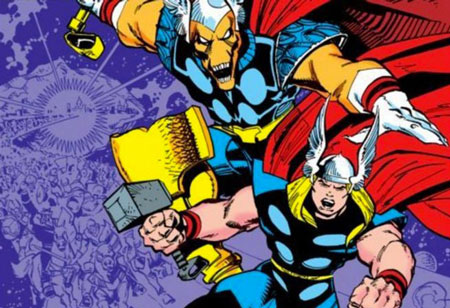
Thor and Beta Ray Bill


One of the most acclaimed Marvel runs of the 1980s was by Walt Simonson on The Mighty Thor. He began writing and drawing it with #337, continued through to #367 (with a quick break in the middle), then gave up art duties but continued writing through #382. This run set aside Dr. Don Blake, focused on mythical threats rather than earthly ones, and injected some humor into what had sometimes been a fairly dry, dour book. Tim and Kumar look back to assess this important run.