#881 “Doomwar”: Black Panther vs. Dr. Doom

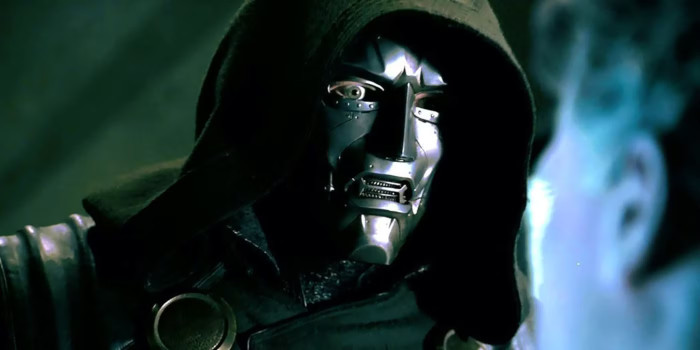
Doomwar - art by Scot EatonDoomwar is a 2010 miniseries in which Dr. Doom sponsors a coup in Wakanda in order to get his hands on all the country’s processed vibranium. As we continue to celebrate 60 years of the Black Panther, Tim is joined by Professor Alan, whose Doomspeak podcast celebrates Dr. Doom, a character who will be cinematically very relevant in a few short months! With writing by Jonathan Maberry and art by Scot Eaton, Doomwar is a series that raises a number of questions, whether in the text itself or simply in the minds of reviewers: In what circumstances is a violent response justified? How violent? Should superhero comics, which run on their own progression of time, bring in real-life U.S. Presidents and significant events? While an issue cover with a spoiler may be justified for marketing that issue, should it really be included in the trade?

Brought to you by:

#879 Comics Satirize Comics: “DESTROY!” and “Doom Force”

Destroy and Doom Force

Superhero comics have been parodied for as long as they’ve existed. This time Tim and Kumar look at two books by comics insiders that satirized the predominant comics of their respective eras: Scott McCloud‘s Destroy! The Loudest Comic-Book in the Universe!! (1986) distills ’80s comics to their essence: superpowered guys punching each other; and Grant Morrison & a bevy of artists poke sharp satirical sticks at the comics of The Guys who Would Be Image in Doom Force Special #1 (1992), right down to the excessive speed lines, nonsense powers, and ankles that would never support an adult human’s weight.

Brought to you by:

#874 Jack Kirby’s Black Panther #5-6: The City of Samurai

Black Panther 6

Typical of the Jack Kirby comics we’ve read from the 1970s, the 1977 Black Panther series is a wild ride. Issues 5 and 6 feature a city of samurai (apparently nowhere near Japan), a yeti (nowhere near the Himalayas), and a nuclear missile (which is far too close to Wakanda). Wait, did we say “Wakanda”?! At last the series is inching back to the familiar territory, literally and figuratively, of a Black Panther story! But first, Panther has to survive Abner Little‘s snafu in the Samurai City. Tim and Emmet are along for the ride.

Brought to you by:

#872 Steranko’s “Nick Fury,” pt 2: The argument in favor of Stan Lee editing

Nick Fury by Steranko pt 2

Jim Steranko’s Nick Fury stories from the late 1960s are lauded for the artwork, especially in the stories after Fury got out of Strange Tales and into his own book. The stories are wacky and kind of haphazard. The layouts are sometimes very innovative, but the storytelling is not always clear. Are these stories worth reading today? Tim and Kumar complete their review of Steranko’s Nick Fury.

Also, we hear from some listeners, and Tim explains the history and mystery of our podcast feed!

Brought to you by:

#871 Jack Kirby’s Black Panther #3-4: A Time Machine, a Sweet Ride, and a Samurai

Black Panther 4

Black Panther continues his wild ride, courtesy of Jack Kirby — but filling a role that could have been played by virtually any character. With Abner Little and Princess Zanda, we see him fight various treasure protectors, drive an incredibly stylish ancient vehicle, take on a samurai who’s been transplanted to Africa, and more. Tim and Emmet try to keep up with the craziness.

Brought to you by:

#864 Black Panther Debuts

Black Panther in FF 52

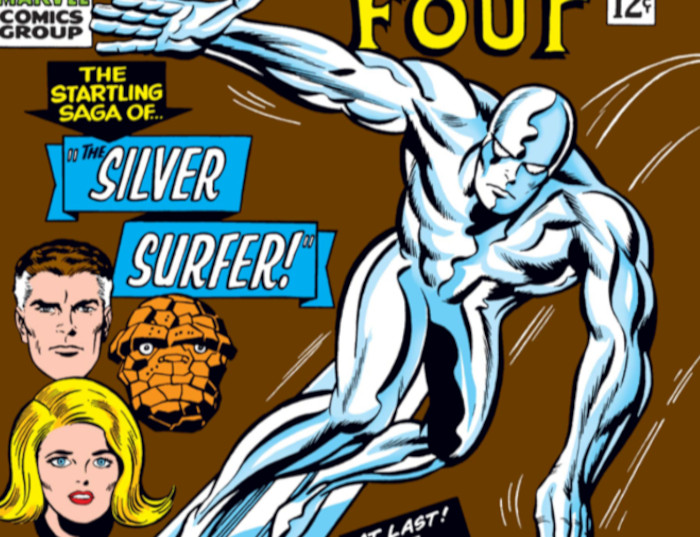
Sixty years ago, Stan Lee and Jack Kirby presided over the debut of the Black Panther in Fantastic Four #52. The story presents the expectations of the average American for stories about Africa (Jungles! Natives! Africa is a country, right?) and defies those expectations by showing a rich, technologically advanced African nation. This time, Tim and Emmet discuss the Panther’s debut.

Brought to you by:

#627 Walt Simonson’s “Thor”

Thor by Simonson

FLASHBACK! One of the most acclaimed Marvel runs of the 1980s was by Walt Simonson on The Mighty Thor. He began writing and drawing it with #337, continued through to #367 (with a quick break in the middle), then gave up art duties but continued writing through #382. This run set aside Dr. Don Blake, focused on mythical threats rather than earthly ones, and injected some humor into what had sometimes been a fairly dry, dour book. Tim and Kumar look back to assess this important run. (Originally published June 26, 2019.)

Brought to you by:

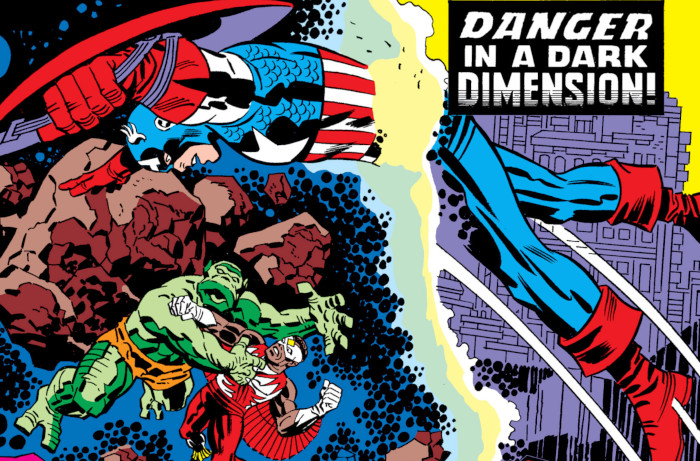
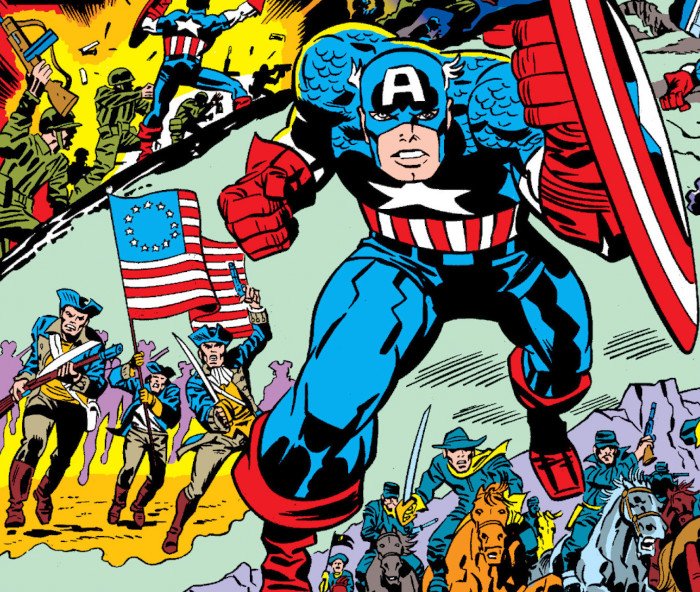
#861 Jack Kirby’s Captain America: Cap vs Magneto!

Cap Annual 4

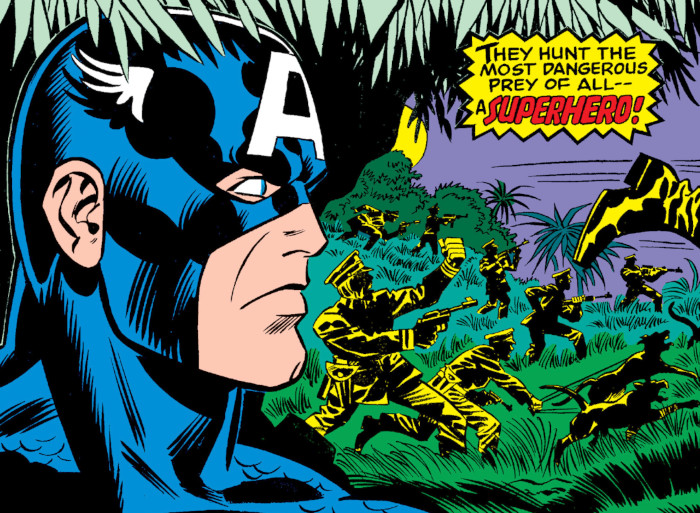
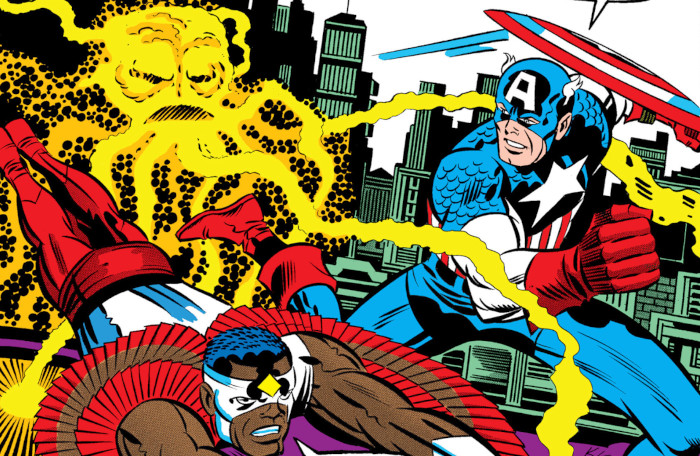
While it seems a bit odd to see Captain America fighting Magneto, they do have something in common: Jack Kirby had a hand in creating both! The battle takes place in Captain America Annual #4, from 1977; the story is titled “The Great Mutant Massacre” — but no, not that one. It’s an X-men – adjacent story with some very Kirbyesque bizarre concepts. Tim and Emmet discuss, and also look back at the experience of reading all this 1970s Jack Kirby-penned Cap.

Brought to you by:

#860 Chris Ryall on “Daredevil: Born Again”

Daredevil: Born Again

Daredevil: Born Again, by Frank Miller and David Mazzucchelli, is one of those comics stories that continues to attract attention decades after it was published. Chris Ryall, co-founder and current publisher at Image imprint Syzygy Publishing, is the author of a new book on that story. He talks with Koom in this episode about the arc’s religious symbolism, Ben Urich as the story’s magic ingredient, and more.

Marvel Fanfare 40

Mazzucchelli art for Marvel Fanfare #40 (Oct 1988) cover, as seen on Koom’s wall

Coppola loan application

Coppola loan application

Chris:

Koom:

Brought to you by:

#410 Marvel Comics: Telling the Untold Story

FLASHBACK! If you’re into American comics at all, you undoubtedly know how Stan Lee, Jack Kirby, Steve Ditko and others changed the industry with their work in the 1960s, and set the template for kinds of stories Marvel still publishes today.

That’s just part of the story that Sean Howe researched for his 2012 book Marvel Comics: The Untold Story. Through interviews, research of media reports, and of course tons of comics reading, Howe uncovered the backgrounds of many comics stories and rumors that longtime readers may have wondered about. There’s plenty of intra-creator acrimony to be found in its pages, yet Howe found that the book helped some of those involved to move on from decades-old wounds.

This week Tim talks to Sean Howe about the research, the reaction, and what this book has to say to aspiring creators. (Originally published July 7, 2014.)

Brought to you by: